Eating Disorder & Sports Nutrition
Food freedom. Life beyond sport.
Helping athletes and former athletes feel confident with food, movement, and their bodies again.
- About us
Food,
built for nourishment,
not control
Freedom
Healing
Balance
Rediscovery
Empowerment
health beyond weight
- No meal plans or rigid rules
- Weight-neutral, HAES-aligned care
- Focus on values
- Build trust with your body (not control it)
A Different Approach to Nutrition
Nutrition Counseling for Every Stage of Your Journey
Whether you're healing your relationship with food, fueling performance, or navigating life after sport, we offer personalized, weight-neutral support to help you feel confident and at ease in your body.
Eating Disorder Support
Compassionate, evidence-based nutrition counseling to help you rebuild trust with food, reduce anxiety around eating, and move toward lasting recovery—without diets or rigid rules.
Nutrition for Athletes
Fuel your body for performance while maintaining a healthy, balanced relationship with food, body image, and training—without falling into restrictive or harmful patterns.
Support for Retired Athletes
Transition out of sport with confidence by redefining your relationship with food, movement, and identity—so you can feel grounded and at home in your body again.
Top questions answered
Get answers to common questions about eating disorder recovery, nutrition counseling, and navigating food and body changes as an athlete or after sport.
What does an eating disorder dietitian do?
An eating disorder dietitian helps you rebuild a healthy relationship with food, your body, and movement. Instead of strict meal plans or diets, we focus on healing behaviors, reducing food anxiety, and helping you feel more in control and at peace around eating.
Can a dietitian help with disordered eating even if I don’t have a diagnosis?
Yes. You don’t need a formal diagnosis to get support. Many people struggle with food rules, bingeing, restriction, or body image concerns. Nutrition counseling can help you break these patterns and feel more confident and flexible with food Even if you are not experiencing stress around food, a dietitian can help optimize your nutrition plan.
Do you follow a specific approach for eating disorder recovery?
We use a weight-neutral, non-diet approach that focuses on body trust, nourishment, and long-term healing. This includes principles from intuitive eating and evidence-based eating disorder care to support both physical and mental recovery.
How is nutrition different for retired athletes?
After leaving sport, many athletes feel lost around food, movement, and identity. We help you transition away from performance-based eating and rigid routines toward a more flexible, sustainable way of living that supports your current lifestyle and goals.
Do you focus on weight or weight loss?
While we completely understand and empathize with the desire for weight loss, it is not a goal we set. We primarily support our clients in healing their relationship with food, movement, and body. Our nutrition approach is weight-neutral and aligns with the Health At Every Size® (HAES) principles. You can find out more about HAES here.
Can you help athletes who struggle with food or body image?
Absolutely. Athletes are at higher risk for disordered eating due to performance pressures and body expectations. We help you fuel properly, improve your relationship with food, and find balance between performance, health, and well-being.
Do you take insurance?
Yes. We are currently in network with BCBS and Aetna though this doesn't guarantee coverage. Follow the steps below to verify your benefits.
Nutrition services that are not covered by your insurance are billed to you at the out of pocket or self-pay rate, which is $200/hour.
If you have health insurance through a provider other than BCBS or Aetna, you may have out of network benefits that include nutrition counseling. We will happily provide you with a superbill to submit to insurance upon request. Please keep in mind that superbills do not guarantee reimbursement and may take several weeks to process. Coverage varies between plans so we recommend calling your insurance provider directly to clarify your coverage for nutrition services.
1. Call the member services number on the back of your insurance card.
2. Ask to speak to a representative about your benefits.
3. Request coverage information for outpatient nutrition services. They may ask for procedure or CPT codes. These are 97802 and 97803. If you're interested in or planning on joining one of our groups, also ask about CPT code 97804. They may also ask for a diagnostic code. This is Z71.3 for general nutrition counseling. If this isn't covered, you may have other diagnoses that are covered by insurance but we won't know what those are until after your initial assessment.
4. Ask if there is a max visit limit. If there is, ask how many visits are covered, at what percentage, and if there is any coverage for visits billed once this limit is passed. If there is, ask what that co-pay is.
5. At the end of the call, request the name of the representative and reference number of the call. You may need this information in further conversations with insurance.
Do you offer telehealth?
Yes; we only offer telehealth right now! We hold telehealth sessions through our HIPAA-secure video platform.
Do you only work with clients in Oregon?
No. We are able to work 1:1 with clients in the following states: Arizona, California, Colorado, Florida, Massachusetts, North Carolina, Oregon, Pennsylvania, Utah, Virginia, and Washington DC.
Although there are geographical limitations on individual nutrition counseling, all online courses, including R.A.W., can be accessed by anyone, anywhere, anytime, once purchased.
what our clients are saying
"I had been struggling with an eating disorder for many years and knew I needed to take the first step to get help.
I worked with Lizzie for about 5 months and saw improved body image, increased energy, increased self efficacy, improved relationship to self and partner, and successful changes.
She heard me, saw me, took what I specifically struggled with and gave me tangible tools to overcome the specific struggle. She related to my athlete self.
She is kind and compassionate but was not afraid to tell me what I needed to hear in order to challenge the thoughts and patterns that kept me stuck."
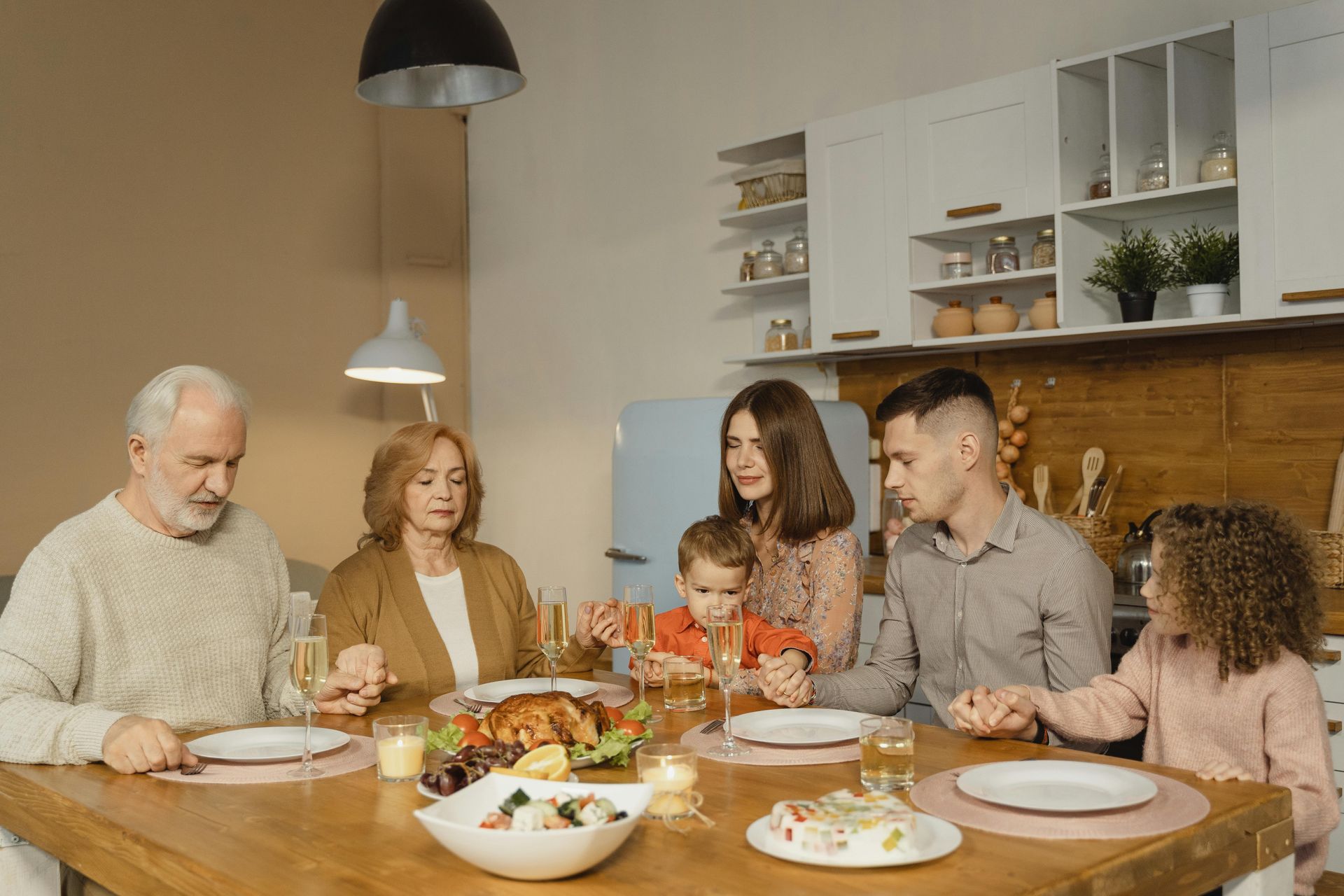
Dee D•
Retired Volleyball Player
"I felt out of control around certain foods and was struggling with continuous restrict/binge cycles.
After a month [of working with Lizzie], I began to eat a much wider range of foods with guilt...and found myself feeling much more satisfied after meals. I began to enjoy more desserts without feeling out of control or guilty.
I have since stopped bingeing completely. I can finally trust my body to know how much food it wants, and I feel very comfortable around food. Thoughts about food rarely occupy my mind, and food is now a largely positive aspect of my life. I am able to enjoy social gatherings much more than I could before."
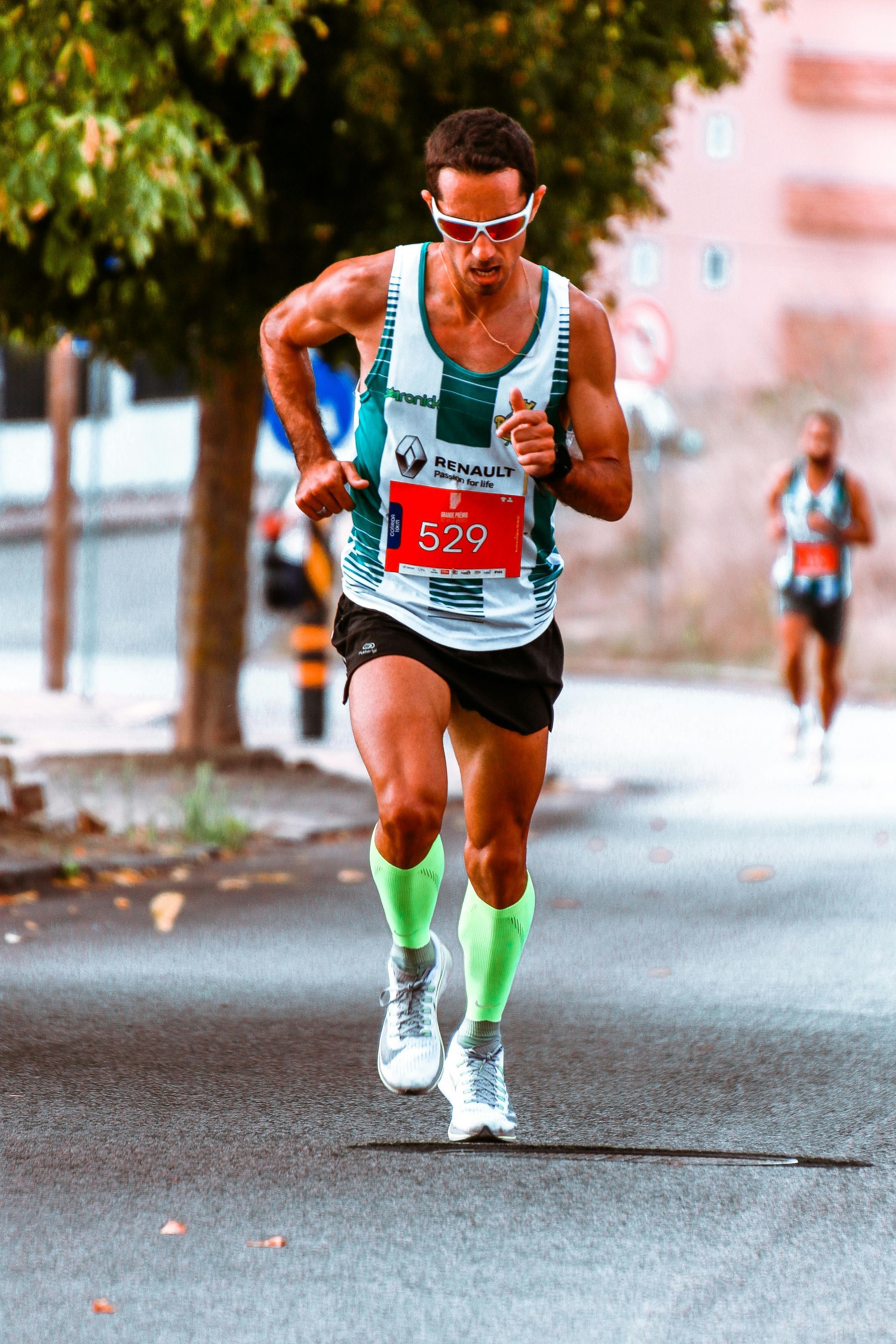
Rachel A•
Distance Runner
"I didn’t have an outlet when I was done swimming and it caused me to spiral and really struggle with my body and who I was. I’ve done a lot of healing and growing from where I was but Lizzie helped me make even greater strides towards being nicer to myself and honoring my body.
I really enjoy talking about our history as student athletes and struggles with body image post athletics. It’s been super refreshing to hear someone else’s experience through it all and it’s made me feel less alone. It has also helped me make sense of the journey I went through, why it happened the way it did, and to make peace with it."
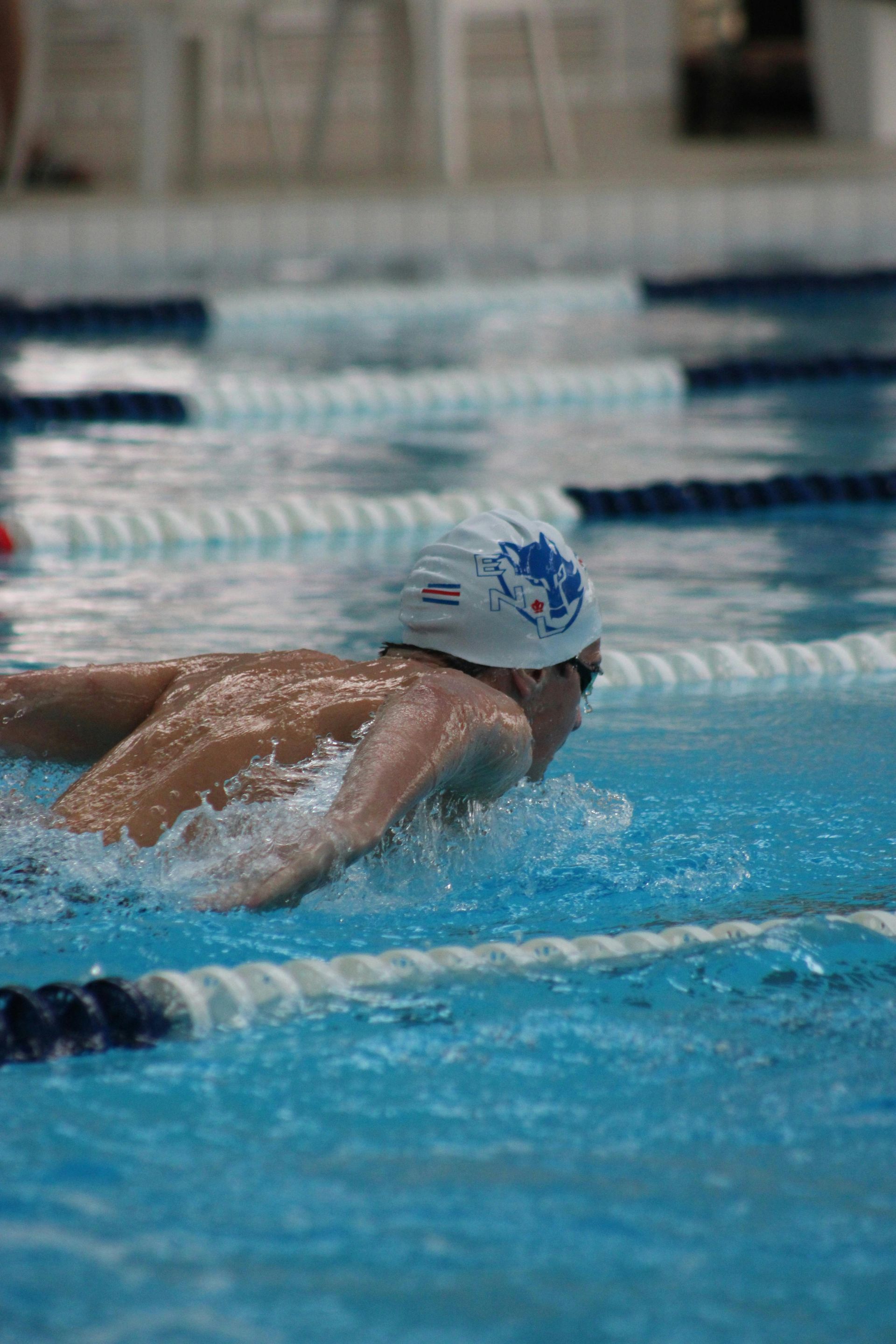
Caroline E• Retired Swimmer
The Portland Athlete: Identity Beyond the Trail
In Portland, being an "athlete" is often woven into the fabric of daily life. Whether you are navigating the steep climbs of Forest Park, cycling the Springwater Corridor, or heading to Mt. Hood for the weekend, the pressure to perform—and to look a certain way while doing it—is ever-present.
For many, this creates a specific kind of friction: the conflict between a competitive past and a desire to enjoy Portland’s world-class food scene without guilt.
Navigating the "Foodie City" Friction
Living in a city celebrated for its culinary creativity can be a double-edged sword when you are struggling with food rules or body image. It is common for athletes to feel they must "earn" a meal at a local favorite or "offset" a social outing with extra miles.
- The Trap: Treating movement as a transaction for food.
- The Shift: Viewing local nourishment as a way to engage with your community, not a metric to be managed.
Finding Balance in the Gray Months
The Pacific Northwest winter presents a unique challenge for body trust. When the daylight fades and training cycles shift, many athletes experience anxiety over changes in activity levels or body composition.
Pro Tip: During the "dark months," focus on nourishing for mood and resilience rather than just output. If your movement shifts indoors or slows down, your worth as an athlete remains unchanged.
Your relationship with food should be as expansive as the Oregon landscape, not as rigid as a training log.
Striving to be the best resource for athlete food freedom in Portland, we provide a space where you can unlearn the "performance-only" mindset and redefine what it means to be an active human in the Rose City.
Strategic Takeaway
True authority in your own body comes from internal trust, not external accolades. By decoupling your identity from your split times or your weight, you gain the freedom to actually enjoy the life you've built here in the Northwest.
Thank you for contacting us.
We’ll get back to you as soon as possible.